



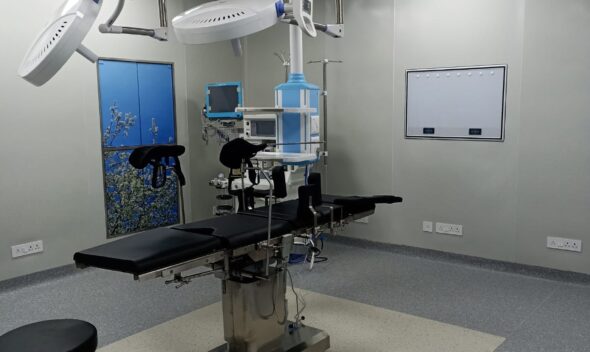
One of the most significant medical inventions in recent years is the modular operation theatre. These operating rooms are perfect for difficult medical treatments because of their modern technologies, adaptability, and cleanliness. Hospitals are switching to modular operating Theatres as they can satisfy needs faster as the need for quick, high-quality treatments increases. Modular operating rooms use pre-fabricated elements to assemble faster and cleaner. Mobile operating rooms are becoming wise investments for hospitals worldwide as healthcare develops.
Modular operation theatres save operation time and maintain the area clean. Their shape makes them suitable for many medical sectors and may adjust to patient demands. These operating rooms make treatments safer and easier by avoiding infections. Let us examine why high-tech operating rooms matter.
What is a Modular Operation Theatre?
Modular elements make up a cutting-edge Modular Operation Theatre. Off-site planning teams assembled these elements into a working operating area. Traditional operating rooms need complex and time-consuming construction and refurbishment. The faster construction of modular operating rooms reduces hospital downtime. This innovative method speeds up construction and helps hospitals and medical centers customize their demands.
Their innovative materials and technology make flexible OTs ideal for surgery. For keeping cleanliness, modular OTs are perfect with clean room-grade materials, air filtration systems, and exact temperature and humidity control. Modular structure helps healthcare professionals maintain room integrity. This keeps pathogens out and makes the space safe for patients and surgeons.
Why Hospitals Need Modular OT
Hospitals are under pressure to manage limited resources, time, and more patients while also delivering high-quality service. These innovative surgical areas increase speed and safety at a low cost. Modular OTs can readily extend to accommodate additional procedures because of their flexibility. This makes them ideal for hospitals looking to expand or enhance. It takes months or years to build a regular OT, but modular ones may be up and running quickly. This allows hospitals to promptly address critical requirements.
These operating rooms are versatile, so hospitals may customize them without compromising quality. Modular structure lets the hospital customize the OT’s lighting, storage, and air flow to suit the therapies. This lets hospitals provide specialized treatment without the expenditures or delays of construction or maintenance initiatives.
Features of Modular Operation Theatre
Modern modular operation theatres are equipped with advanced features to promote patient comfort, safety, and efficiency. These amenities maintain the facility clean, technologically advanced, and adaptable to surgery demands. These are the major reasons modular OTs are crucial in modern medicine:
Laminar airflow
Modular OTs use laminar air flow system to ensure clean, germ-free airflow. This approach removes airborne germs by smoothly circulating clean air throughout the surgical area in one direction. It prevents dust and other particles from entering the operating room, reducing disease and creating a controlled atmosphere for high-risk therapies.
Anti-Bacterial Wall & Ceiling Structure
Mobile OTs have germ-proof walls and ceilings. Smooth, pores-free surfaces are easy to clean and will not grow pests or mildew. Due to their specific materials, modular OTs are clean. This reduces surgery-related infections and protects patients and staff.
Automatic Hermetically Sliding Doors
Automatic door closure distinguishes modular OTs. Automatic door opening and shutting reduces cross-contamination. They also keep dust, bacteria, and other pathogens out of the operating area with their airtight closure. Medical professionals may rapidly enter and exit the area without disturbing the clean environment since these doors open and close automatically.
All-In-One OT Control Panel
Central to operating room tool control is the All-In-One OT control panel. Surgeons and medical personnel may control temperature, lighting, ventilation, and other systems from one location. This simpler control speeds up surgery because the crew may focus on the process rather than technical installations. For real-time control and tracking, the operation theatre control panel may link to various medical systems.
Surgery Recording System
An operation Recording System records speech and video during operation. This tool enables medical students and new doctors to see surgeries in detail, which aids training. Courts might utilize these recordings as evidence or as a reference. This makes medical procedures more transparent and tracks treatments. The approach helps hospitals maintain accountability.
Pendant Systems
Surgeon pendant systems help organize and tidy the operation space. Medical gas outlets, electrical hookups, and built-in lighting are in these above units. By mounting these devices on the ceiling, the surgical team may easily access vital tools while keeping the floor clean. Removing cables and other objects that might contaminate the working space keeps it clean.
High Voltage Equipment
Modular OTs may hold operation lights, electro-surgical devices, and more. These operating rooms’ electrical systems can manage high power demands while protecting the tools and surgeons. Specialized power and circuitry systems avoid electrical hazards so doctors may safely utilize high-tech instruments during treatments.
Pressure Relief Damper
Relieve Pressure Dampers regulate airflow and operating room pressure. These dampers create a positive pressure zone that blocks outside air. This is crucial to keep the Theatre clean and prevent outside contamination. These devices manage air pressure to enhance air quality and make patients and doctors comfortable.
Conclusion
Finally, the Modular Operation Theatre advances medicine. It improves surgery cleanliness, control, and efficiency. Modern operating rooms with laminar air flow, motorized sliding doors, and complicated data management systems make procedures safer, more successful, and less likely to cause sickness. Hospitals are increasingly using module-based OT systems to increase efficiency and care.

Leave a comment